Necklace Layering 2026 The Gold Stacking Formula Every Jewelry Lover Needs
Stack smarter. Shine louder. This is gold layering done right.
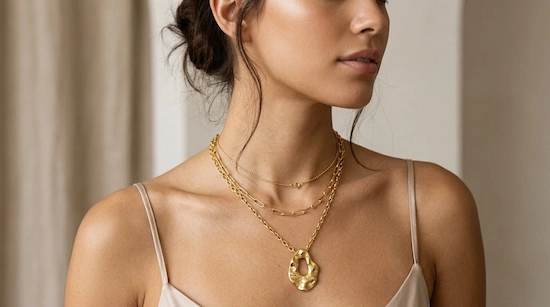
Here's the trick. necklace layering in 2026 isn't about wearing more. It's about wearing smarter. The right formula turns three simple chains into something that looks intentional, expensive, and effortless all at once.
This guide breaks it down into one clear system. the 3layer formula, the 2inch rule, a neckline cheat sheet, and the 2026 twist that makes your old gold feel brand new again. No guesswork, no tangled chains, no boring single necklace outfits.
A professional necklace layering guide explains that spacing each piece by 1–2 inches helps keep the look clean and prevents tangling. Let’s be real: most of us throw on necklaces and hope they look good. Here’s the trick it works better when you treat layers like a recipe, not a lottery.
Why Necklace Layering is Trending in 2026
Old gold is back, but not the way your grandmother wore it. In 2026, necklace layering is about mixing heirloom pieces with modern sculptural shapes and letting your personal style do the talking. Runway styling from the SS26 collection shows models wearing three or four chains that feel lived in and intentional, not over styled or overdone.
What's driving this? People want jewelry that means something. Layering lets you wear an everyday delicate chain alongside a statement piece without choosing between the two. The look adapts easily from a work outfit to a weekend dinner without changing a single thing. That's exactly why searches for how to layer necklaces, gold necklace stacking, and necklace layering ideas 2026 have been climbing steadily this season.
Here’s what’s happening:
- People want meaningful jewelry, not just trendy items.
- Layering lets you wear everyday basics plus statement pieces at the same time.
- The look is easy to adapt between work outfits and weekend dinners.
Because of this, searches for “how to layer necklaces” and “gold necklace stacking” have grown steadily as shoppers try to make sense of what works and what doesn’t.
The 3 Layer Formula Base,Texture,Anchor
Here’s the formula that actually works for Necklace Layering 2026
1. Base Layer Closest to the Neck

Choose a short, simple chain that sits close to your neck.
- Example lengths: 14–15 inches.
- Example style: fine gold chain, no big pendant.
This layer is your ground zero. It defines your neckline but stays quiet.
2. Texture Layer Middle Depth

Add a slightly longer piece that brings texture or interest.
- Example lengths: 16–18 inches.
- Example style: beaded chain, subtle charms, or mixed metals.
This layer fills the space between your skin and your statement piece.
3. Anchor Layer Statement Piece

Finish with the longest piece or your main pendant.
- Example lengths: 19–22+ inches.
- Example style: chunky pendant, personalized initials, or sculptural design.
This layer is your hero; it’s what people actually notice.
| Layer | Approx Length | Style / Material | Example Use |
| Base | 14–15 inch | Thin, simple chain | Everyday gold chain |
| Texture | 16–18 inch | Beads, subtle charms | Beaded chain or small pendant |
| Anchor | 19–22+ inch | Statement pendant | Bold pendant or nameplate |
By following this pattern, you create a balanced stack where each necklace has its own space instead of fighting for attention.
The 2‑Inch Rule: Why Your Layers Look Messy
Here’s the golden rule no one explains clearly, keep about 2 inches between necklace lengths.
A professional necklace‑layering guide explains that spacing each piece by 1–2 inches helps keep the look clean and prevents tangling.
That means:
- If your first chain is 14 inches, the next should be around 16 inches.
- If the second is 16, the third should be around 18 or more.
When chains are too close, say 14 and 14.5 inches, they bunch up and look messy, even if the design is pretty. If you’re working with pendants, the rule changes slightly:
Let the pendant sit a bit lower than the chain above it, so they don’t visually overlap.
In simple language and real life, this means:
- A 14‑inch chain with a small charm.
- A 16‑inch chain with a medium‑sized pendant.
- A 19‑inch chain with a larger focal piece.
This 2-inch gap between each necklace helps every layer stand out and gives your neckline some space, so it doesn’t look crowded or bunched up.
Cheat Sheet: Necklace Layering by Neckline

V-Neck Top: Follow the V, Don't Fight It
Recommended:
- A 16–18 inch pendant necklace that sits just below the collarbone.
- Optionally add a 14‑inch fine chain above for a second layer.
This keeps the look long and elegant, not clumpy.
- Crew Neck / T‑shirt
- Goal: keep it simple and close to the neck.
Recommended:
- 14–16 inch chains only.
- One short chain plus one textured chain if you want depth.
Avoid very long pendants that sit below the neckline; they can look lost.
- Turtleneck / High neck
- Goal: break the height without looking heavy.
Recommended:
- 18–20+ inch chains.
- One longer, delicate chain or a simple pendant that grazes the chest.
This opens up the look and keeps the outfit airy.
- Off‑shoulder or One shoulder
- Goal: add asymmetry, not clutter.
Recommended:
Go with one longer chain on the open side.
Keep the other side minimal or bare.
This follows the one shoulder shape without overdoing it.
If you ever feel stuck, ask yourself:
Is this layer following my neckline or fighting it?
That mental check alone will fix most layering mistakes.
The 2026 Twist Old Gold Meets Sculptural Pieces
Old gold never left it just needed a modern partner. In 2026, the move is pairing a simple heirloom chain with one bold sculptural pendant and letting that contrast do all the work. Keep the other layers light and the statement piece will carry the whole look.
Mixing gold and silver is no longer a mistake it's intentional. Just repeat each metal somewhere else, earrings or rings, and it reads as styled, not accidental
What to Avoid Common Necklace Layering Mistakes
The formula only works if you avoid the mistakes that break it.
The biggest one? Too many chains at the same length. When necklaces sit within an inch of each other, they bunch up, tangle, and lose their individual shape, the opposite of what you want.
Ignoring your neckline is the second mistake. Long chunky layers on a V-neck can look awkward and heavy. Match your layers to your neckline, and the whole look clicks into place automatically.
Watch your scale too. Two big pendants stacked together almost always look overdone. The golden rule here is one clear focal point, let the anchor piece lead, and keep everything else supporting it quietly. And if you're wearing a busy printed top, skip the heavy stack entirely. The outfit and the jewelry will fight for attention, and neither one wins.
Stick to odd numbered layers; three works best. Space them out by at least 2 inches, and let one piece do the heavy lifting. Everything else is just support.
A Simple Formula for Necklace Layering 2026
Necklace layering 2026 works best when you treat it like a simple formula, not a fashion experiment with no rules. Stick to the three‑layer system, respect the two‑inch rule, and let your neckline decide what works. Over time, you’ll notice that a few well placed chains look better than a pile of mismatched pieces. Keep it intentional, wear what feels like you, and you’ll have a gold stacking style that works for 2026 and beyond.
FAQs
Q1. How many necklaces should you layer
Ans. Most stylists recommend starting with three layers and adjusting from there. One short base chain, one slightly longer textured chain, and one statement piece usually strike the right balance between interesting and polished. If you go beyond three, make sure the lengths and weights are clear so the stack still feels controlled.
Q2. Can you mix gold and silver necklaces in 2026?
Ans. Yes, mixing metals is now a popular and intentional style choice. The trick is to repeat each metal somewhere else in your outfit, like in your earrings or rings, so it looks put together rather than random. If you’d rather keep things simple, you can stick to one metal, like gold, and experiment with different textures and shapes instead.
Q3. How to layer necklaces for work outfits?
Ans. For work, simplicity works best. Stick to shorter lengths, delicate chains, and small or no pendants so your jewelry feels professional but not distracting. Avoid very long or chunky pieces that might catch on clothing or clash with your office vibe.
Q4. Is necklace layering suitable for petite frames?
Ans. Yes, it can look great, just keep the size in mind. Petite people usually look best in shorter, lighter chains, and it’s better to have one main piece as the focus instead of wearing several heavy pendants. This keeps the overall look simple, balanced, and elegant without overwhelming the neck and shoulders.
Share:

Max
Max has spent over 3 years helping people shop smarter and get the most out of their money. He does all the research so you do not have to stress over where to buy or what is actually worth it. His guides make the whole shopping experience a lot simpler and way less overwhelming.
Reviews
No reviews yet!